Retraining the Muscles Behind Breathing, Sleeping, and Speaking
The muscles of your face, tongue, and throat do far more than most people realize. They influence how you breathe, how you swallow, how you sleep, and even how your jaw and teeth develop over time. When these muscles aren’t functioning the way they should — a condition known as orofacial myofunctional disorder (OMD) — the effects ripple across a child’s (or adult’s) entire health picture.
At Luna Wellness Centre, orofacial myofunctional therapy is offered by Darcee Loveless, RDH, a registered dental hygienist with advanced certification in myofunctional therapy. Darcee works with children and adults to retrain oral and facial muscles, support healthier breathing patterns, and address the root causes of concerns that are often treated in isolation elsewhere.
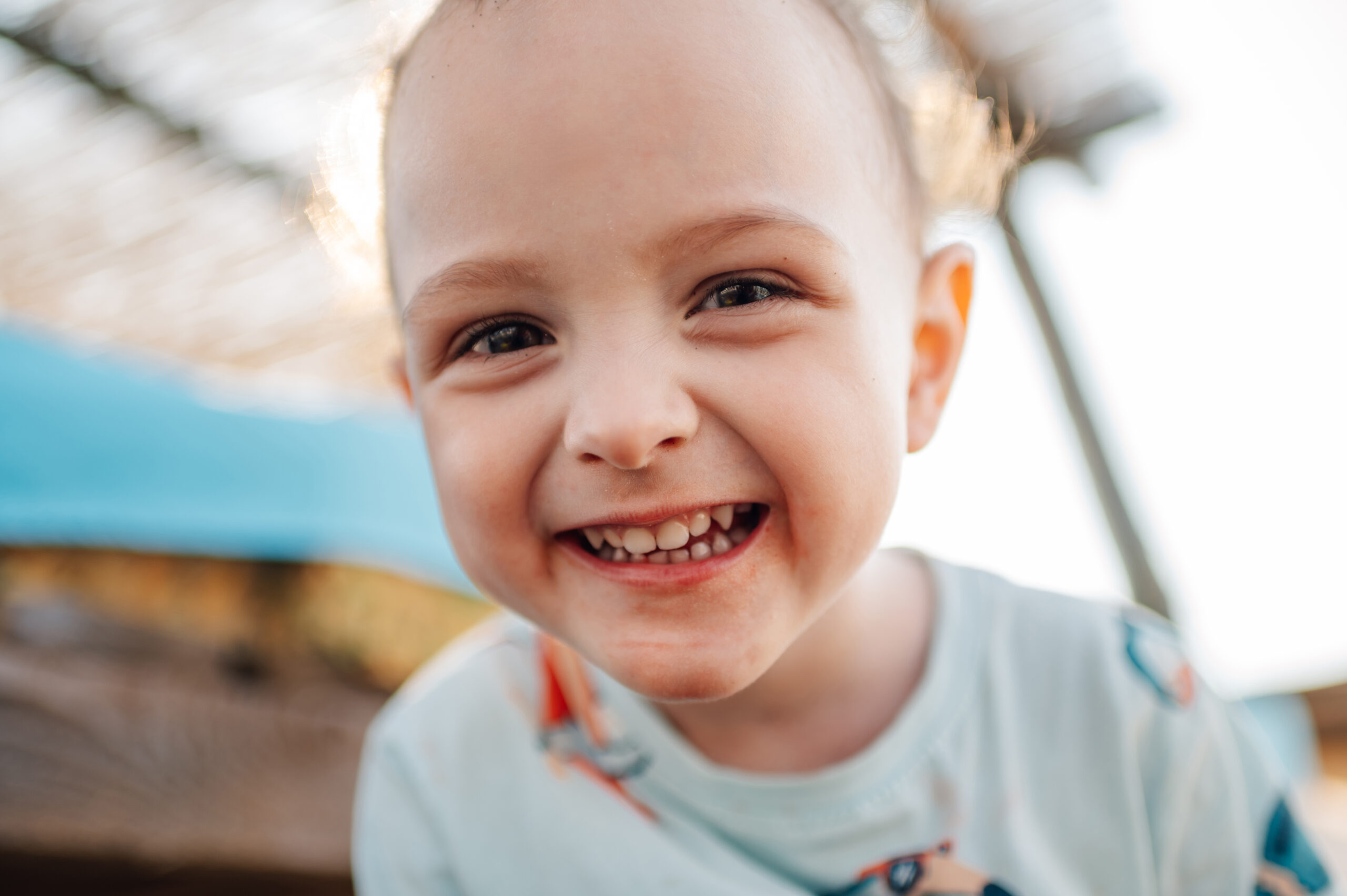
Orofacial myofunctional therapy (OMT) is a structured exercise program that retrains the muscles of the tongue, lips, cheeks, and throat. Think of it like physiotherapy — but for your mouth. Through guided, progressive exercises, OMT helps restore correct muscle tone, posture, and function so that breathing, swallowing, and speaking can happen the way they’re meant to.
OMT doesn’t just address symptoms — it works on the underlying muscle patterns that drive them. This makes it a powerful complement to dental treatment, speech therapy, physiotherapy, and airway support, which is exactly why it’s a core part of what we offer at Luna’s collaborative wellness hub.
Myofunctional disorders show up in a wide range of ways. OMT may be recommended for children or adults experiencing any of the following:
Mouth breathing — habitual open-mouth posture during the day or at night
Tongue thrust — pushing the tongue forward during swallowing instead of using the correct motion
Low tongue posture — resting the tongue on the floor of the mouth instead of the palate
Thumb or finger sucking beyond early toddlerhood
Prolonged pacifier or bottle use that has affected oral muscle development
Snoring or sleep-disordered breathing with a myofunctional component
TMJ discomfort or jaw tension linked to muscle imbalance
Lisping or difficulty with certain speech sounds
Feeding difficulties in infants and toddlers
Post-frenectomy rehabilitation — retraining tongue and lip muscles after a tongue or lip tie release
Many of these concerns are connected — mouth breathing, tongue posture, and airway function are deeply interrelated. Addressing one without considering the others often leads to partial results. At Luna, we look at the full picture.
Myofunctional disorders show up in a wide range of ways. OMT may be recommended for children or adults experiencing any of the following:
Mouth breathing — habitual open-mouth posture during the day or at night
Tongue thrust — pushing the tongue forward during swallowing instead of using the correct motion
Low tongue posture — resting the tongue on the floor of the mouth instead of the palate
Thumb or finger sucking beyond early toddlerhood
Prolonged pacifier or bottle use that has affected oral muscle development
Snoring or sleep-disordered breathing with a myofunctional component
TMJ discomfort or jaw tension linked to muscle imbalance
Lisping or difficulty with certain speech sounds
Feeding difficulties in infants and toddlers
Post-frenectomy rehabilitation — retraining tongue and lip muscles after a tongue or lip tie release
Many of these concerns are connected — mouth breathing, tongue posture, and airway function are deeply interrelated. Addressing one without considering the others often leads to partial results. At Luna, we look at the full picture.
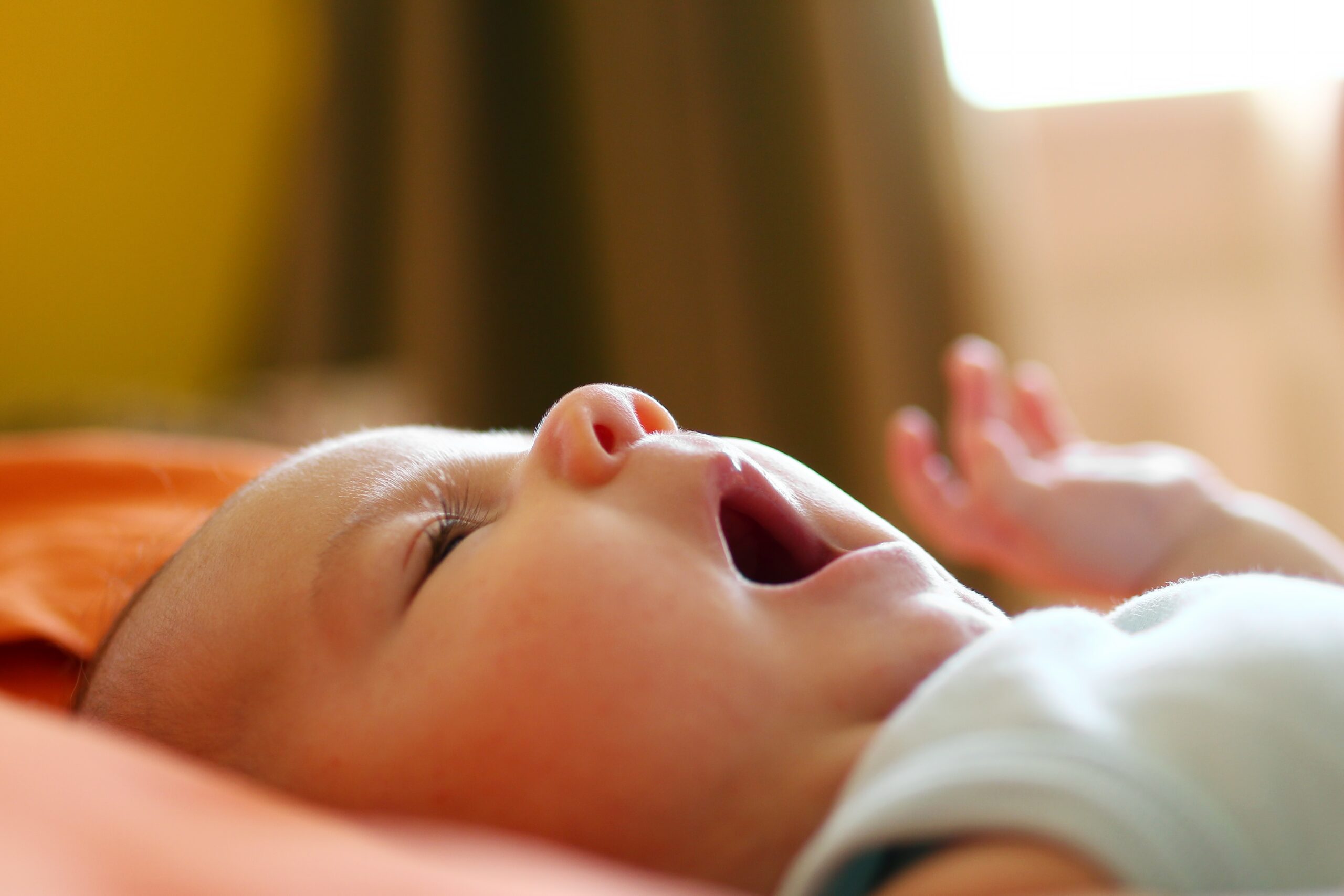
Children are often the most responsive to myofunctional therapy — particularly during the years when the jaw and facial structures are still developing. Intervening early can influence how the palate forms, how teeth erupt, and how the airway matures, which means that treatment at the right time can reduce or even eliminate the need for more involved interventions later.
For kids, myofunctional therapy sessions at Luna are designed to feel engaging and approachable. We use age-appropriate exercises and build a relationship with each child so that therapy feels more like a skill they’re learning rather than a treatment they’re enduring. Parents are always included in the process so that home practice is clear, manageable, and effective.
Common reasons families bring their children to see us include mouth breathing, tongue thrust, snoring, difficulty with speech sounds, thumb sucking habits, or as a follow-up after a frenectomy.
Myofunctional therapy isn’t only for children. Adults with long-standing habits like mouth breathing, tongue thrust, or low tongue posture can benefit significantly from OMT — especially when these patterns are contributing to sleep-disordered breathing, TMJ concerns, or relapse after orthodontic treatment.
Adults who have been diagnosed with sleep apnea and are using CPAP therapy may also find that myofunctional therapy improves their outcomes, as stronger, better-positioned oral muscles can reduce airway collapse during sleep. OMT is increasingly being recognized as an important part of comprehensive airway care for adults, not just children.
If you’ve completed orthodontic treatment and find that your teeth keep shifting, or if you’ve noticed that you wake up with a dry mouth or sore jaw, a myofunctional assessment may offer some answers.

One of the most important, and often overlooked parts of frenectomy care, is what happens after the procedure. A frenectomy releases a restricted frenum (tongue tie or lip tie), but the muscles and movement patterns that developed around that restriction don’t automatically correct themselves. Without rehabilitation, the tongue may continue to function the same way it did before the release, limiting the full benefit of the procedure.
At Luna Wellness Centre, our team collaborates closely to provide pre- and post-frenectomy myofunctional therapy. Pre-treatment exercises help prepare the tongue and surrounding muscles before the release, while post-treatment therapy guides the tongue into new, healthier movement patterns. This integrated approach leads to better outcomes for both infants and older children — and gives families the follow-through support they need to see real results.
Every myofunctional therapy journey at Luna begins with a thorough assessment. We evaluate oral rest posture, swallowing patterns, breathing habits, and muscle tone before building a personalized program. Here’s how the process typically unfolds:
A comprehensive evaluation of your (or your child’s) oral function, muscle patterns, and breathing habits. We take the time to understand your history and goals before recommending any exercises.
A structured series of exercises targeting the specific muscles and patterns identified in your assessment. Programs are adapted for age, ability, and lifestyle.
Sessions typically take place every few weeks, with daily home exercises in between. We provide clear guidance so that home practice feels doable, not overwhelming.
We communicate directly with other providers at Luna — including our dentist, speech-language pathologist, and physiotherapist — so that your care plan stays coordinated and nothing falls through the cracks.
Myofunctional therapy takes time and consistency, and we’re here for the whole journey. Regular check-ins ensure your program evolves as you do.
Oral muscle function touches nearly every aspect of health — breathing, eating, sleeping, speaking, and growing. Yet for too long, it’s been treated as a standalone concern that falls in the gap between dentistry, speech therapy, and medicine. Families are left navigating referrals, conflicting opinions, and appointments scattered across the city — all while trying to care for a child who isn’t thriving the way they should be.
Luna Wellness Centre was created specifically to close that gap. With myofunctional therapy, airway-focused dentistry, speech and language support, physiotherapy, lactation consulting, and doula services all under one roof, we can address the whole picture in one place — with providers who actually talk to each other.
You shouldn’t have to be the one connecting the dots. That’s our job.
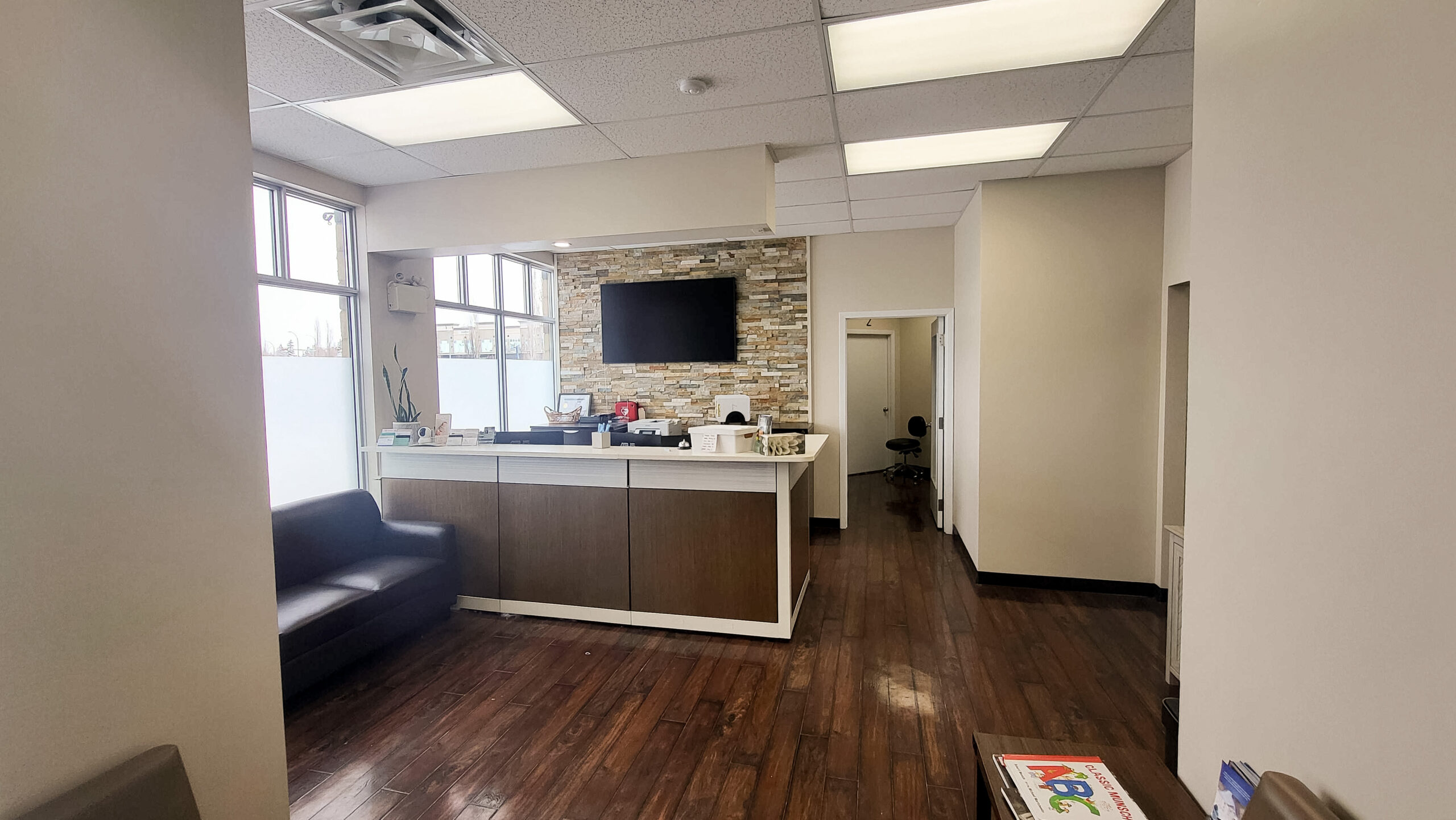
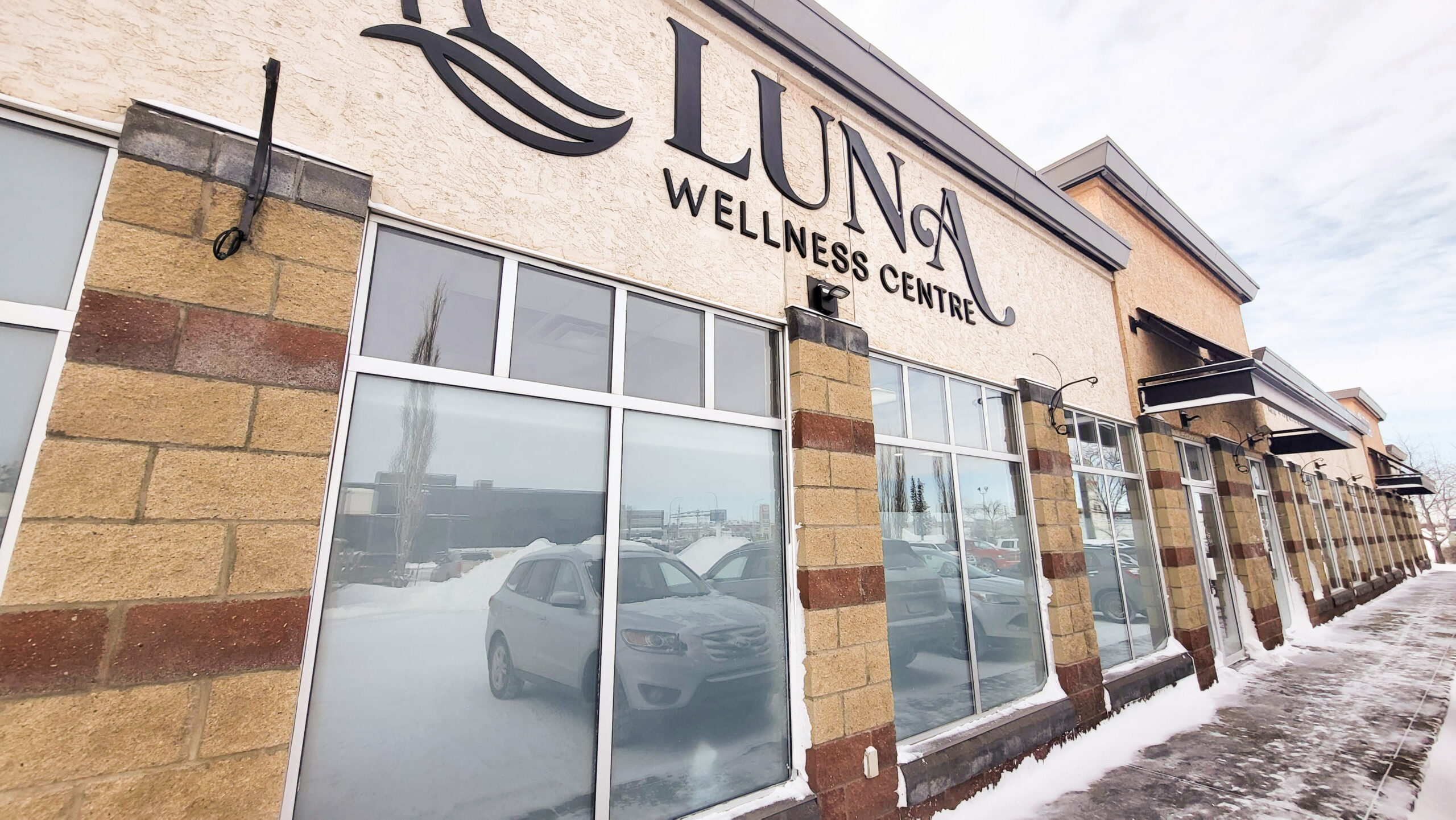
Whether you’ve been told your child has a tongue thrust, you’ve noticed persistent mouth breathing, or you’re looking for post-frenectomy support, the Luna team is here to help. Feeding, breathing, and sleeping should not feel like a struggle — and with the right support, they don’t have to.
Book a myofunctional therapy consultation at Luna Wellness Centre today, and let’s build a plan that works for your family.